role: design strategy, art direction
category: hospitality
year: 2018
category: hospitality
year: 2018
context
The Urük restaurant network operated for years as a closed insider ecosystem: private rooms, heavy carpets, deals made over food. It was defined by tradition, privacy, and informal power. Then the audience changed. A younger, wealthier crowd emerged—drawn to nightlife, contemporary art, and provocation. In this context, “ethnic authenticity” became a liability. The business faced a hard truth: it could not evolve gradually. To survive, it had to erase its category and exit it completely.

Using "Urük" (Turkic: Apricot) as the central axis, the identity rotates the context—transforming a literal fruit into an anatomical signal.
concept
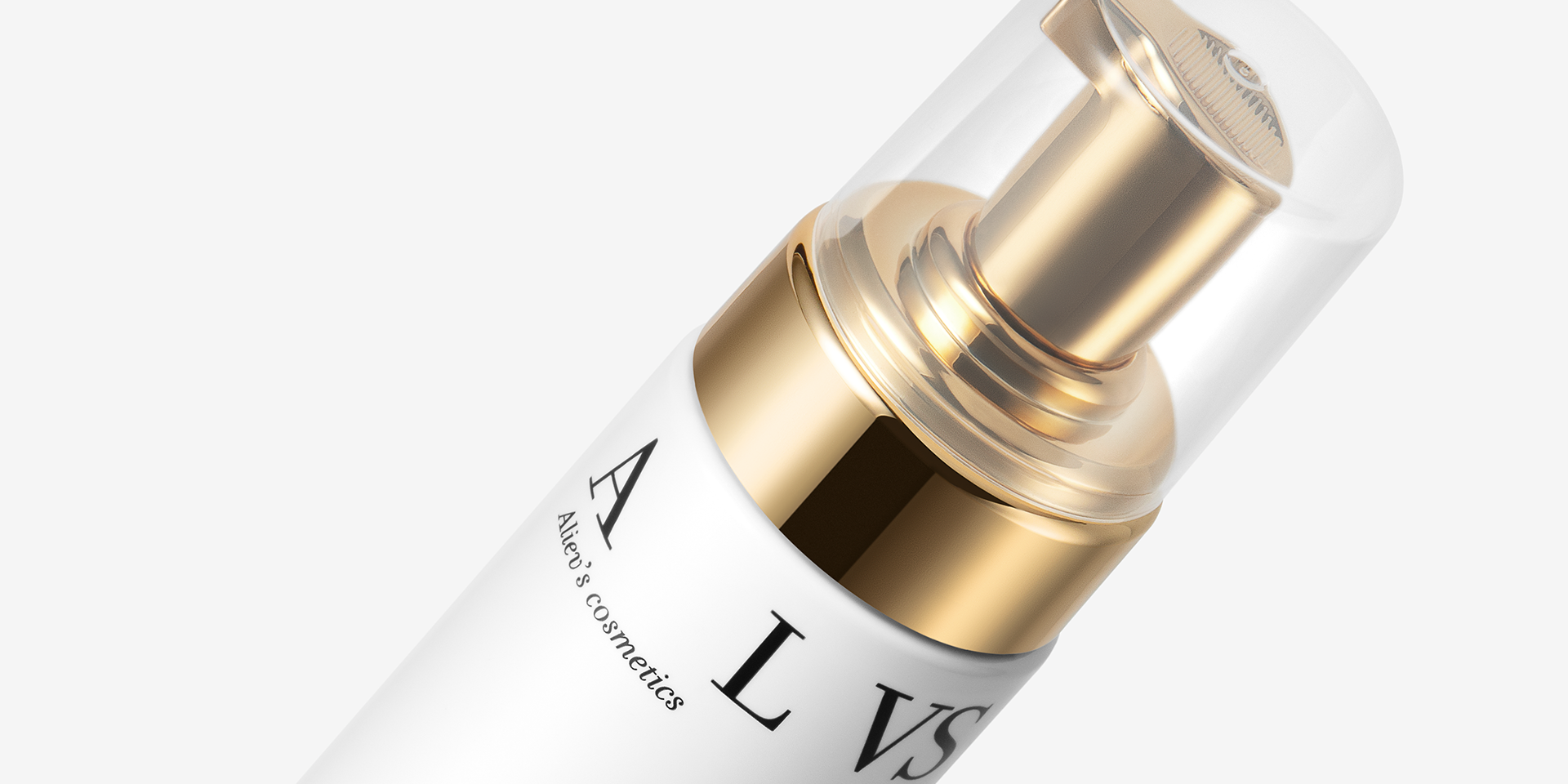
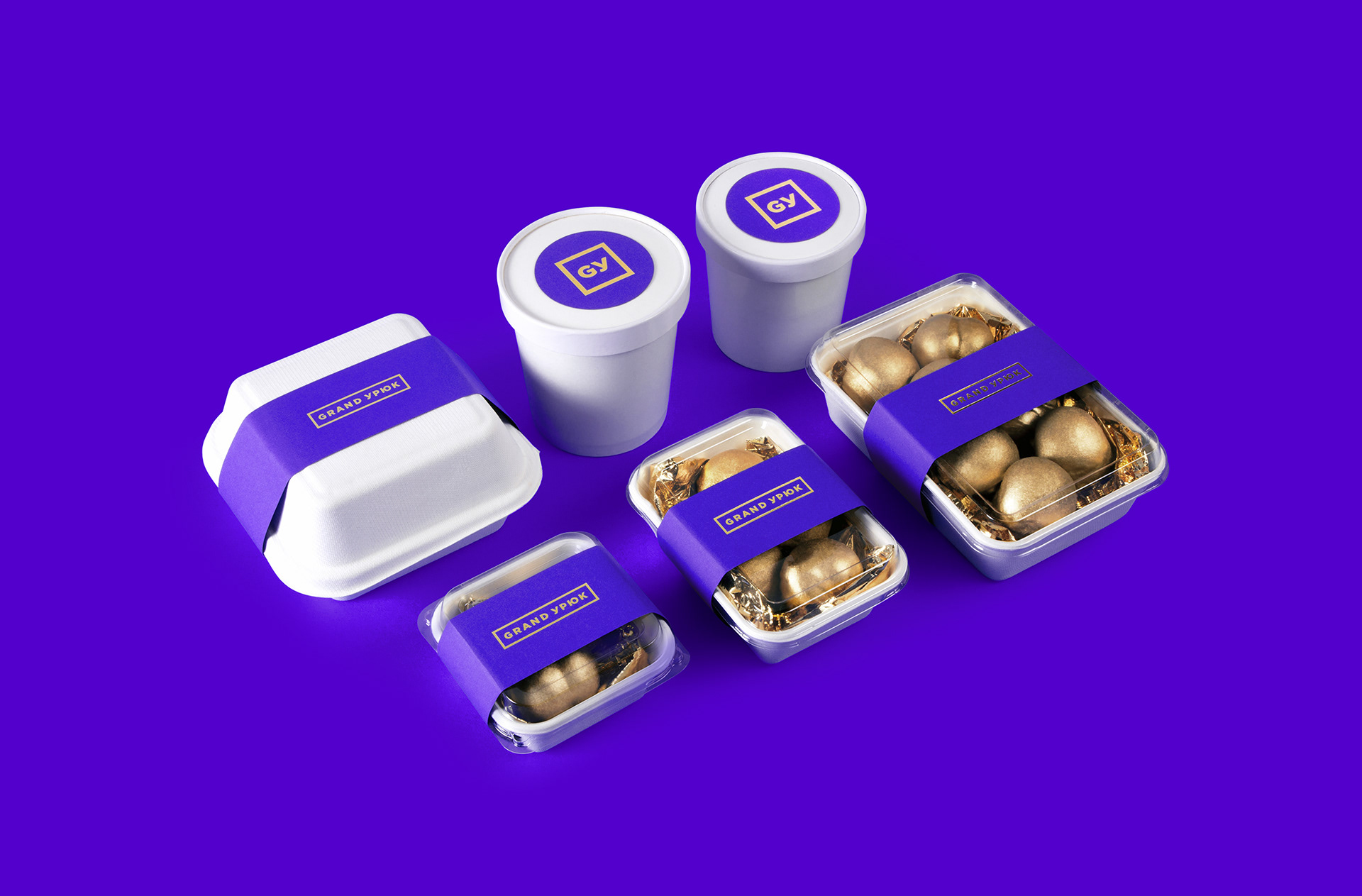
To change the audience overnight, we replaced hospitality with a calculated provocation. The Golden Apricot was designed with deliberate anatomical ambiguity, balancing between fruit and human form. This was not a joke. It was a filter. The visual glitch repelled the conservative old guard while attracting a new audience fluent in irony and art codes. The object did not represent the brand—it selected its future users.
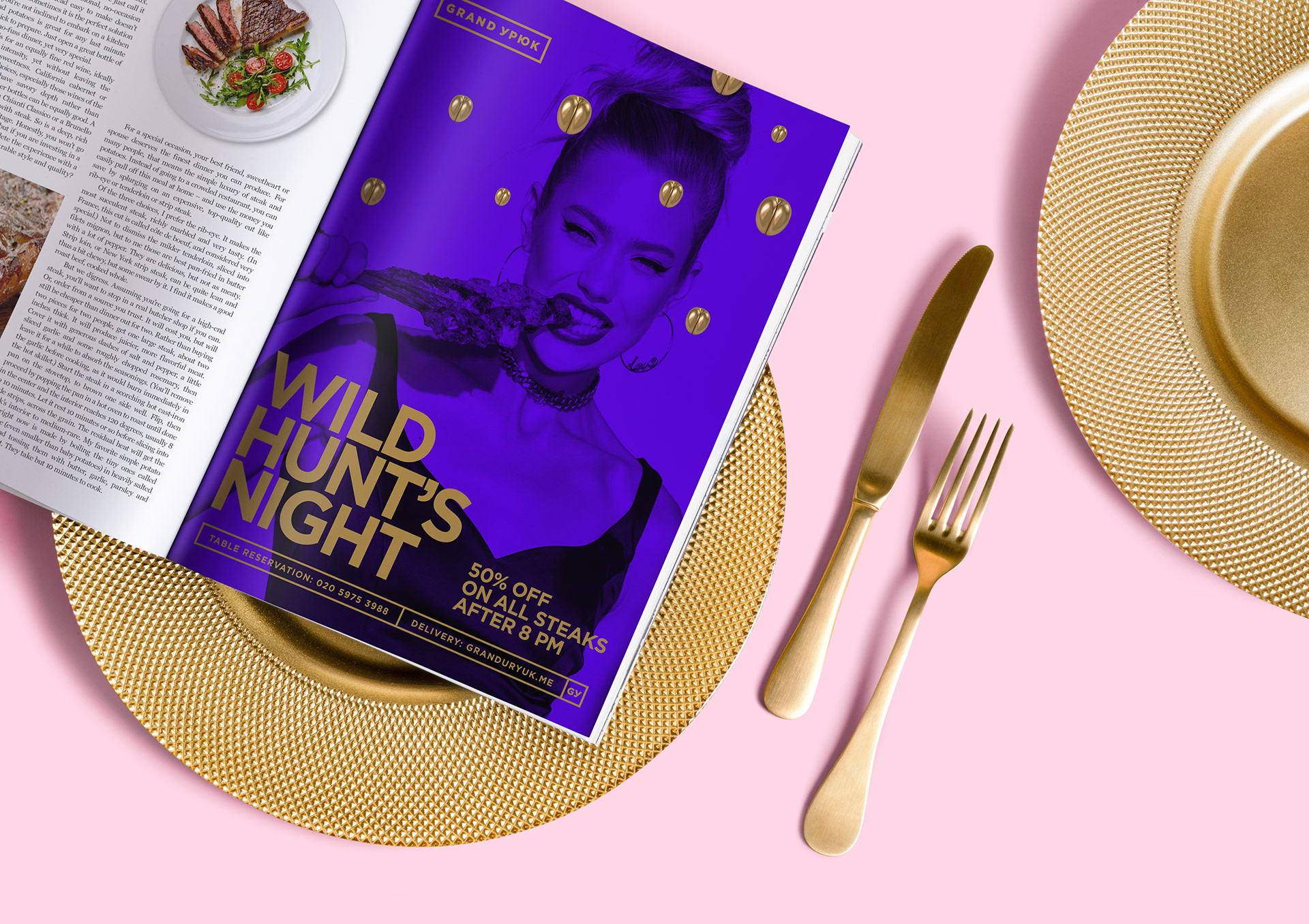
An ambiguous art object was used as a trigger to sever ties with the past and force the brand into the luxury segment.
system logic
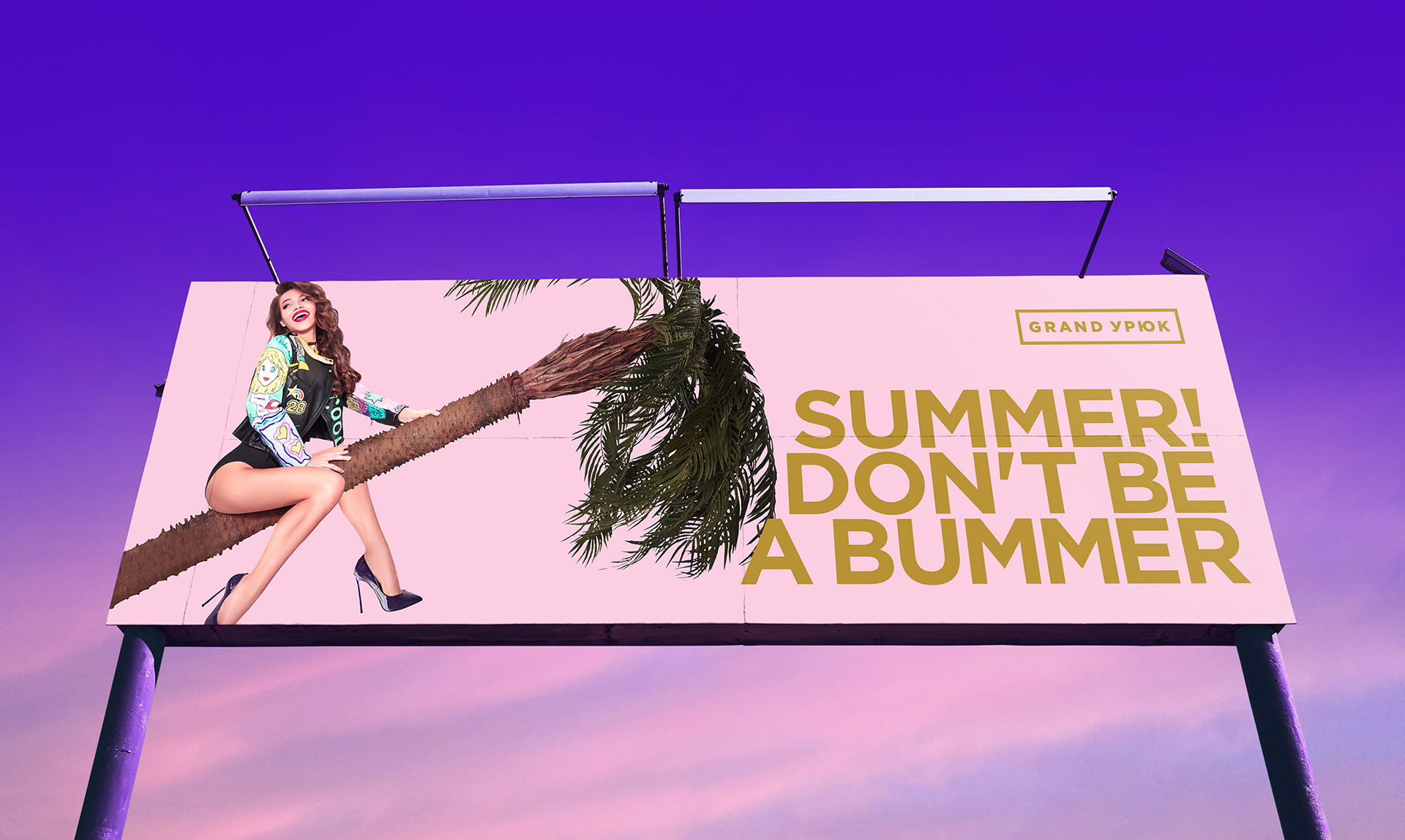
Provocation alone would have been vulgar. To make it expensive, we engineered contrast. The object is hot, golden, fleshy, and dominant. The system around it is cold, sterile, and disciplined. A strict Swiss grid and monochrome typography act like gallery walls. This framework sanitizes the shock, elevating it from scandal to art. The brand can be loud without losing control.
value
The strategy broke the brand’s connection to its past. Grand Urük stopped competing with restaurants and started competing with galleries and nightlife venues. The ambiguity generated massive organic reach because it demanded interpretation. The identity did not decorate the space—it worked as a social elevator, moving the business out of an ethnic niche and into the city’s attention economy.
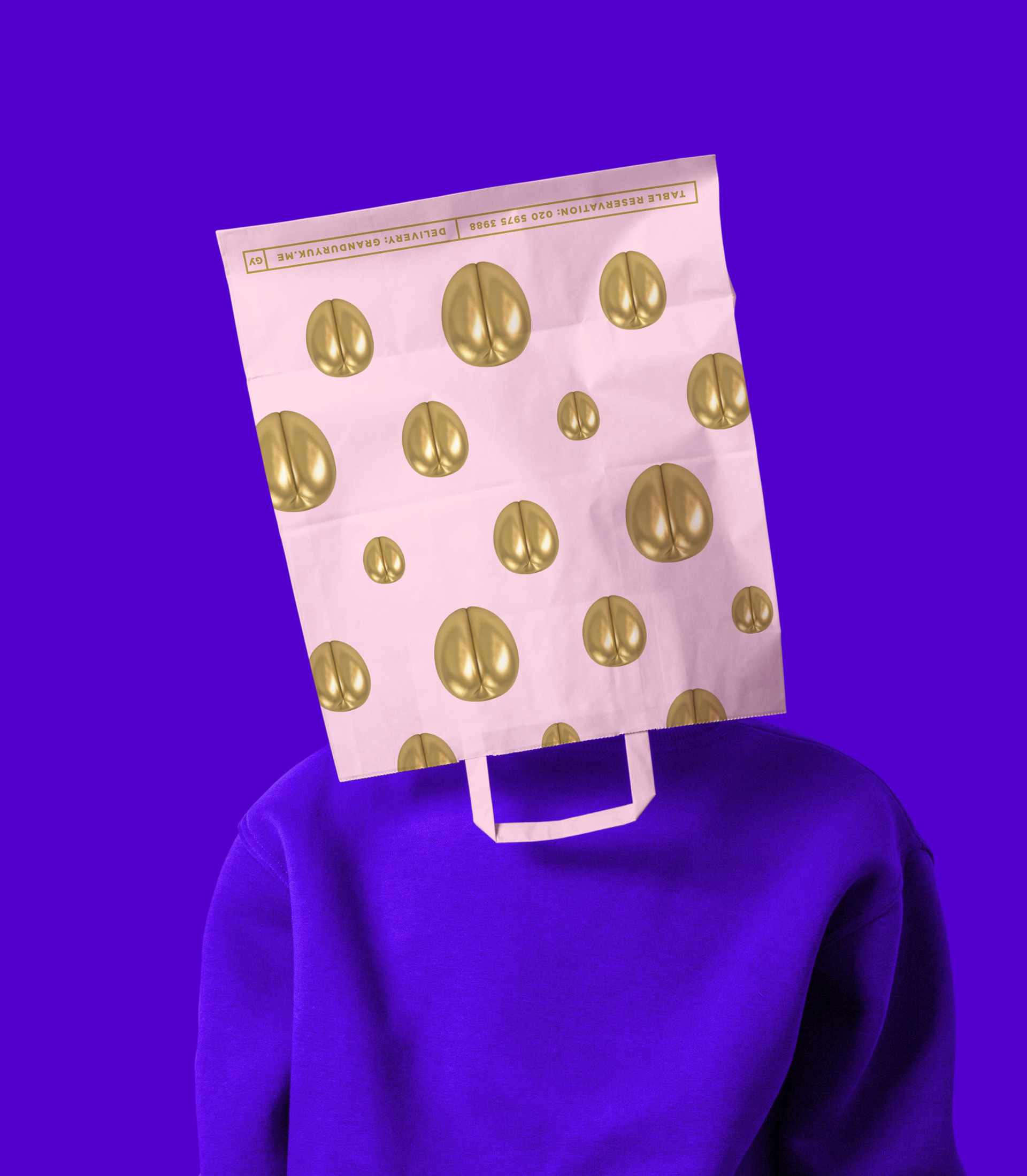
The brand stopped competing with other restaurants and started competing with art galleries and lifestyle icons, proving that a premium brand can afford to be provocatively simple and intelligently bold, avoiding the risk of being «just another restaurant refresh» that fails to capture the attention of a post-digital audience.