role: strategist, art director, copywriter
category: waste treatment
year: 2021
category: waste treatment
year: 2021

context
In top-tier real estate markets (Sylt, The Hamptons, Lake Como), traditional luxury signals—maximalism, visibility, and explicit branding—have reached a point of social saturation and inadequacy. For high-net-worth individuals with a northern mindset, visibility is increasingly perceived as a security and social risk. The challenge was to construct a development model where value is generated not by the presence of an object, but by the guaranteed absence of external observation.
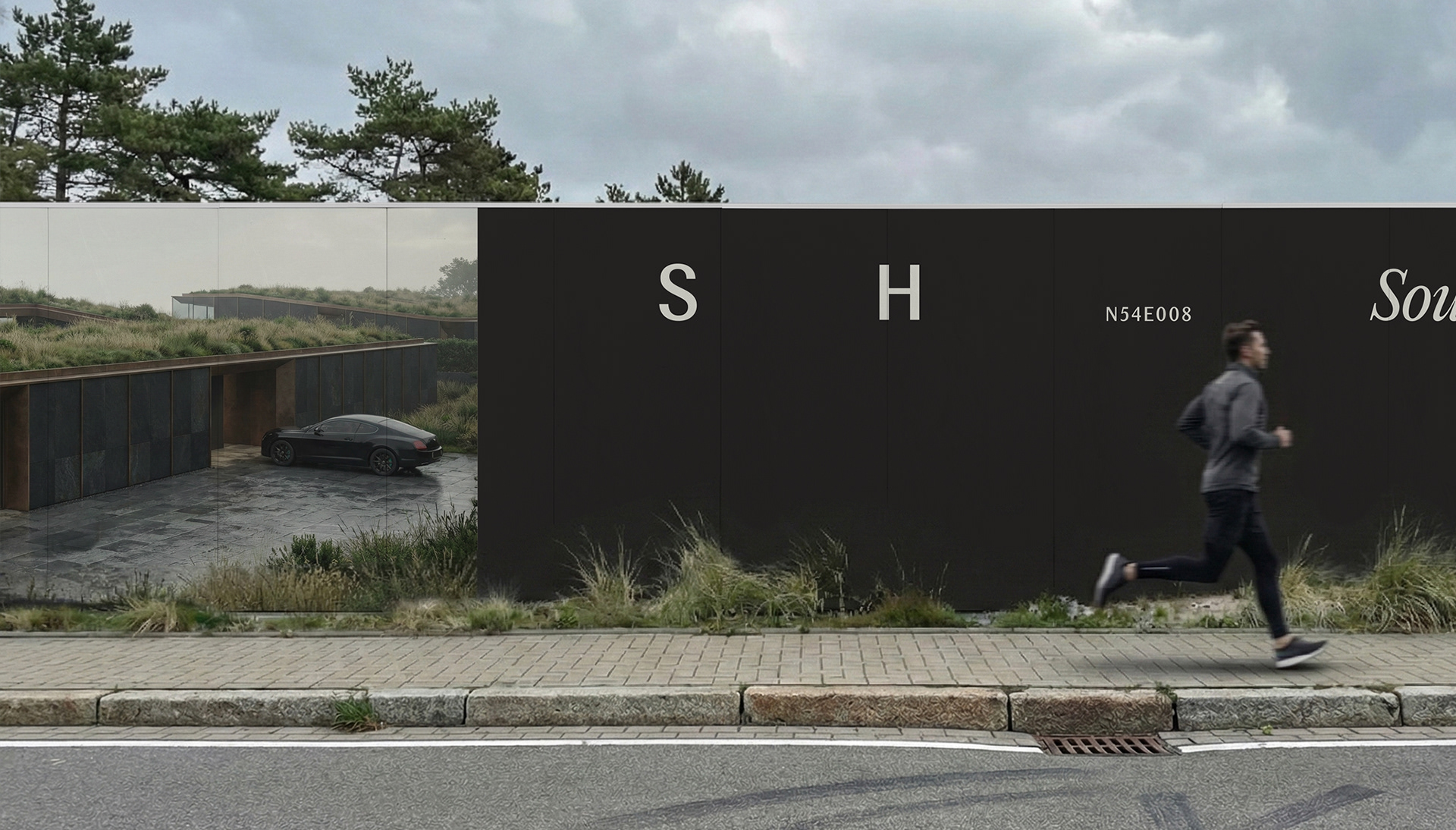
SH provides a research-grade blueprint for high-privacy developments. It proves that in a climate of "stealth wealth," the most powerful branding tool is omission. By removing the building from the visual field, the brand triggers the client’s imagination and creates a vacuum of desire, effectively legitimizing premium pricing through the scarcity of attention and the sovereignty of space.
conceptial move
Stealth House reframes the developer’s role from a "provider of square meters" to a "curator of sovereign space." The project operates on the strategy of controlled withdrawal: architecture that dissolves into the landscape and branding that refuses to represent. Instead of a "home," SH sells the right to be invisible—positioning non-appearance as the most exclusive and expensive asset in the post-digital era.

system logic
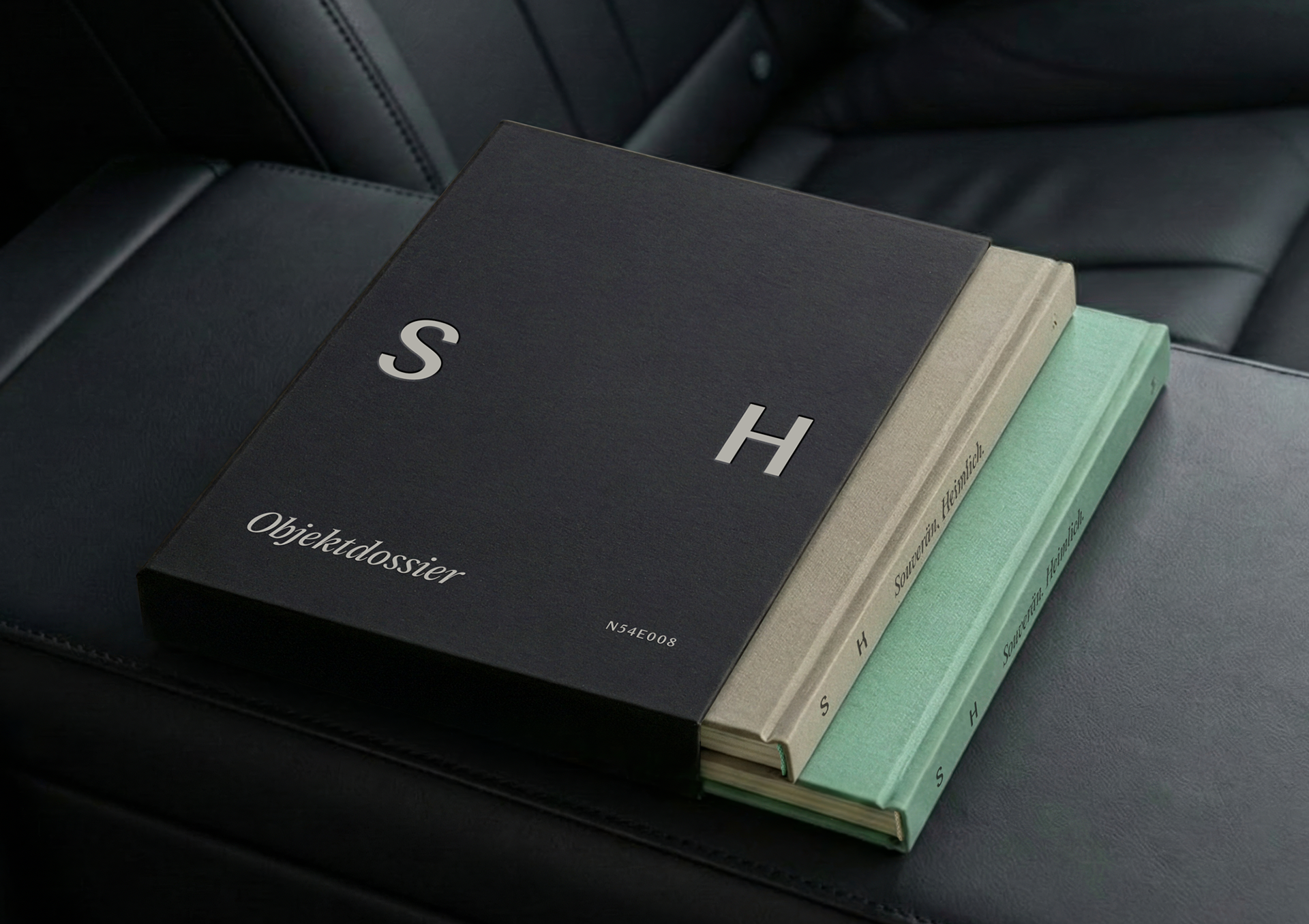
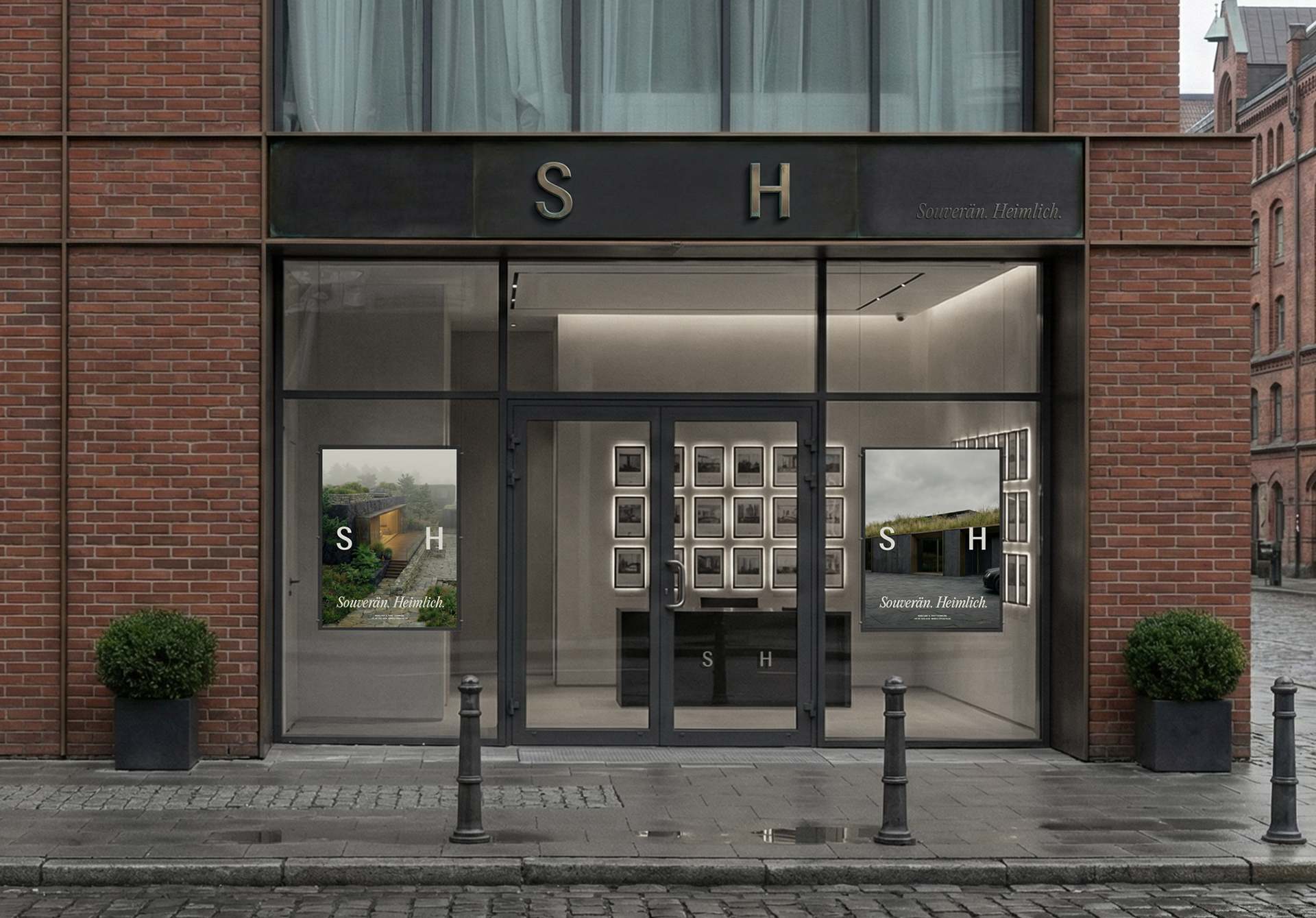
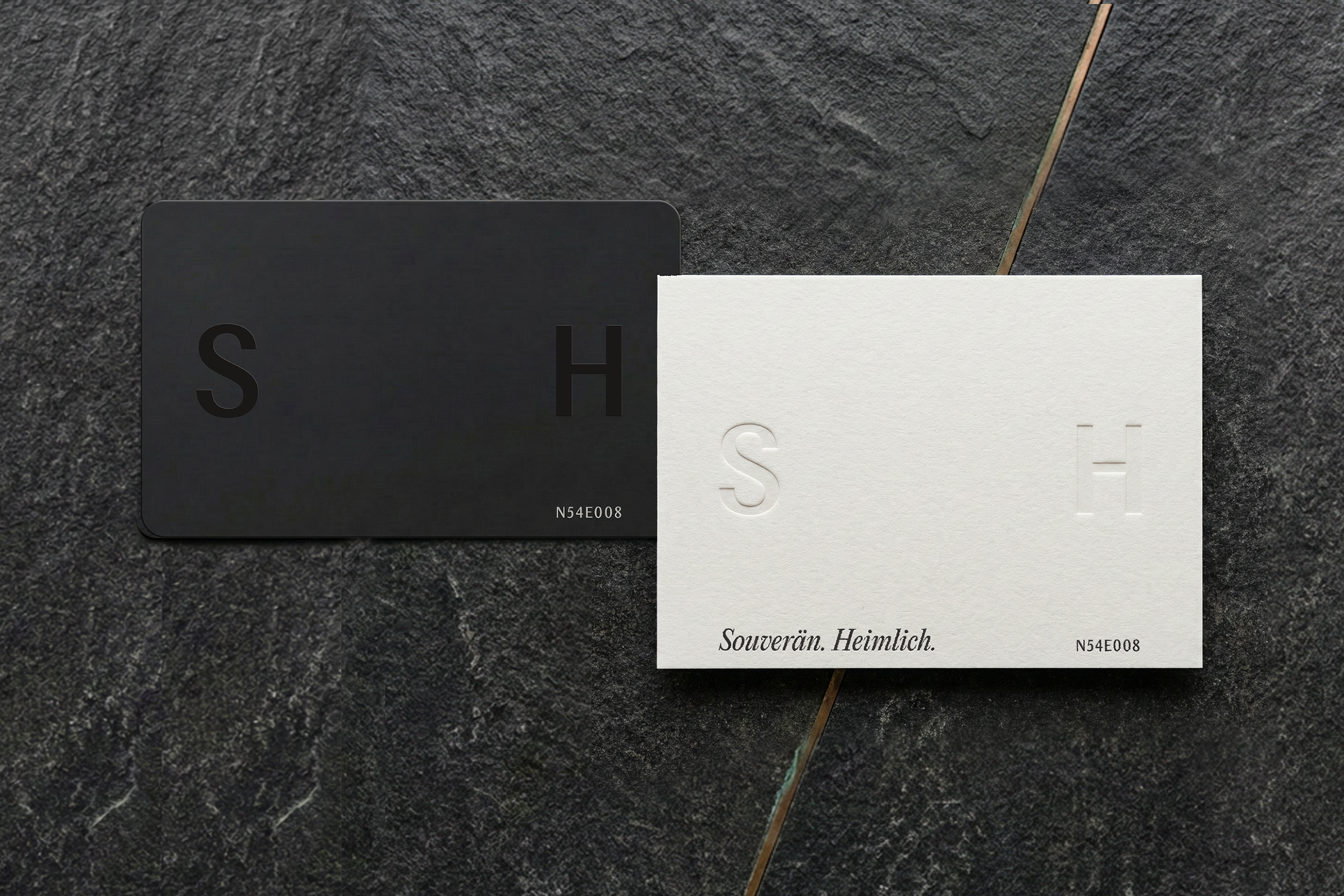
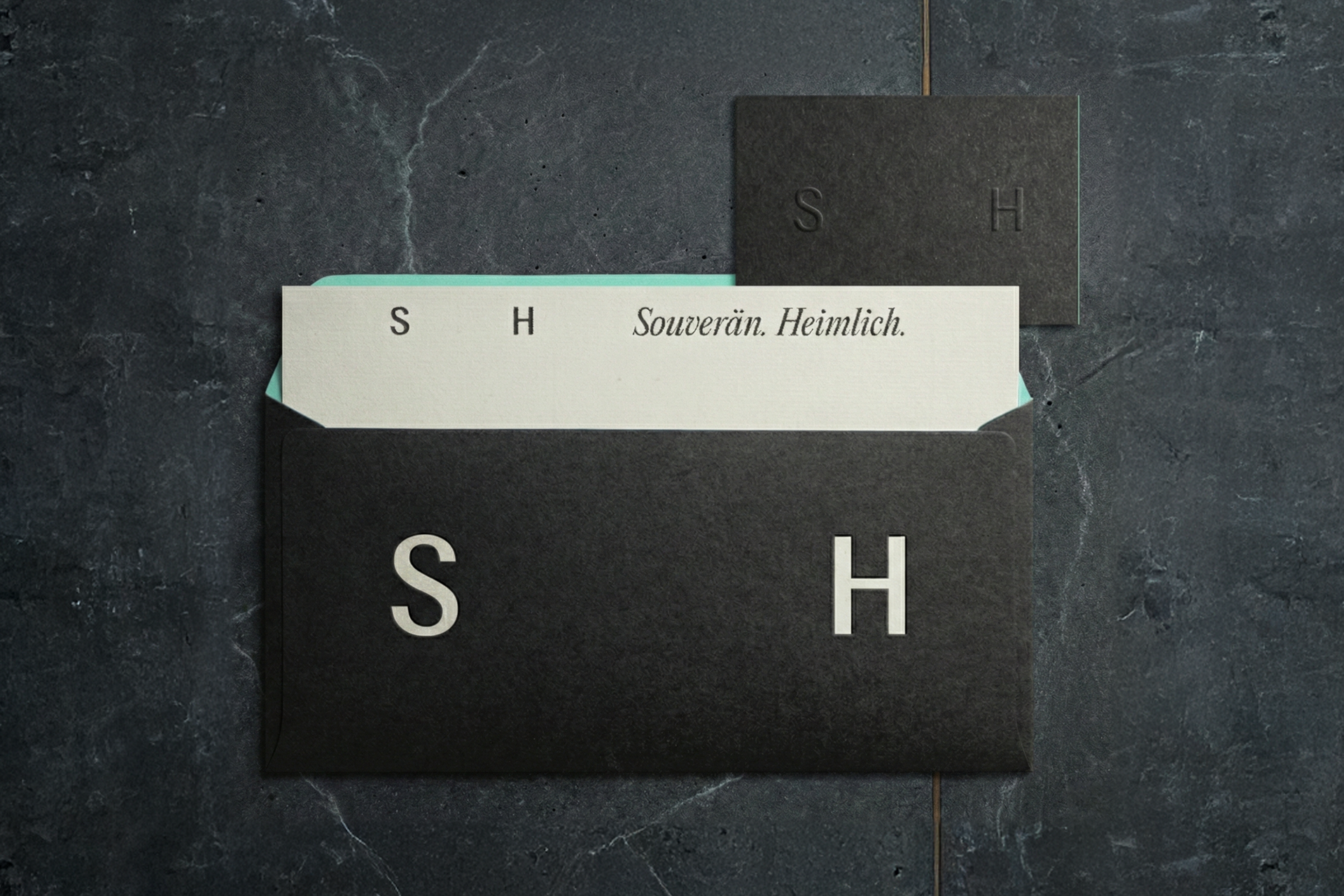
The identity is engineered as a spatial experience rather than a graphic style. The Architecture: A modular village designed to act as an "infrastructure of distance," where modularity is used to control the void between units rather than density. The Branding: Operates through a "regime of signals." No slogans, no hero-renders. Identity is anchored by geographic coordinates (N54E008) and material fragments (concrete textures, rhythmic shadows, atmospheric cues). The brand functions as a detection kit for those who already understand the location’s cultural code.
outcome
The architecture stays deliberately invisible — and the brand reveals it in fragments. Through controlled minimal signals, SH creates a sense of place without showing the place, proving that identity can function as spatial experience.